 Image Gallery
Pingshan District has added 17 items to its district-level intangible cultural heritage list, covering traditional crafts, fine arts, music, food and sports. Some originated in other parts of China before taking root in Pingshan, while others have evolved locally. Together, they form a distinctive cultural landscape shaped by the convergence of different traditions.
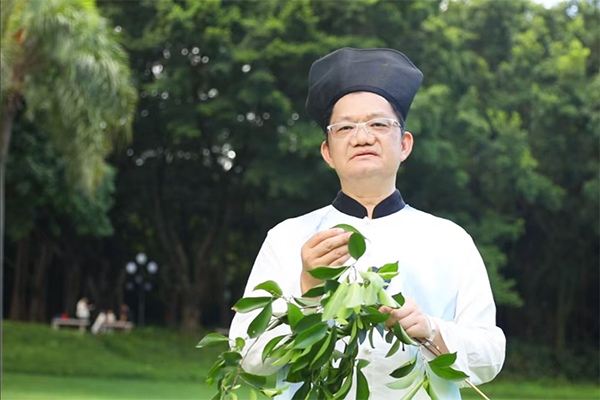
Leaf-blowing music 树叶吹奏技艺
An ancient technique in which a leaf serves as a natural musical instrument, leaf-blowing music produces clear, far-reaching tones. Pingshan practitioners specialize in performing Hakka folk songs, infusing the traditional art with the spirit of the mountains.
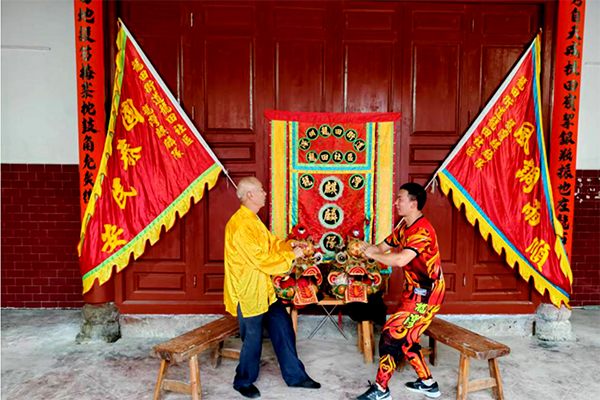
Longwan qilin dance 龙湾麒麟舞
This two-person dance embodies Confucian virtues. One performer plays the qilin’s head while the other forms its tail, using vividly colored props and a range of movements to imitate the qilin's movements and express its moods. Performed at festivals and ceremonies, the dance remains an important link to community identity for Longwan residents.
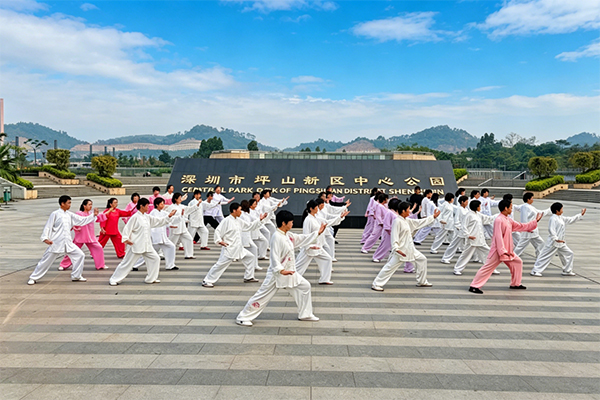
Chen-style tai chi (Pingshan) 陈氏太极拳(坪山)
Originating in Chenjiagou in Wenxian County, Henan Province, Chen-style tai chi combines martial arts with traditional Chinese medicine and philosophy. Its movements are graceful yet powerful. Local instructors have taught the style in Pingshan communities for more than a decade, making tai chi part of residents’ daily lives.
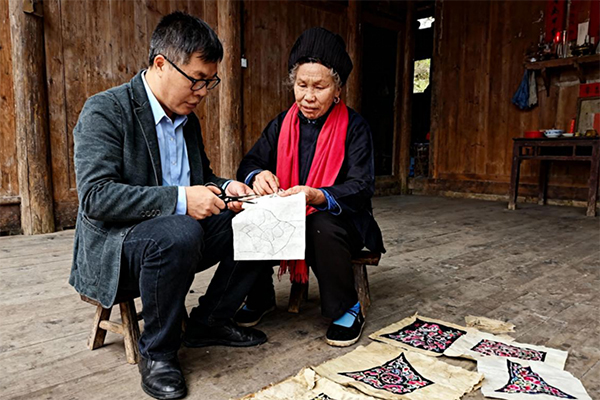
Pingshan Li’s Miao paper-cutting 坪山李氏苗族剪纸
Li’s Miao paper-cutting evolved from ethnic embroidery patterns into an independent decorative art. Its intricate designs feature flowers, birds, myths and folk tales. The Li family promotes the heritage in Pingshan schools, cultural centers and communities.
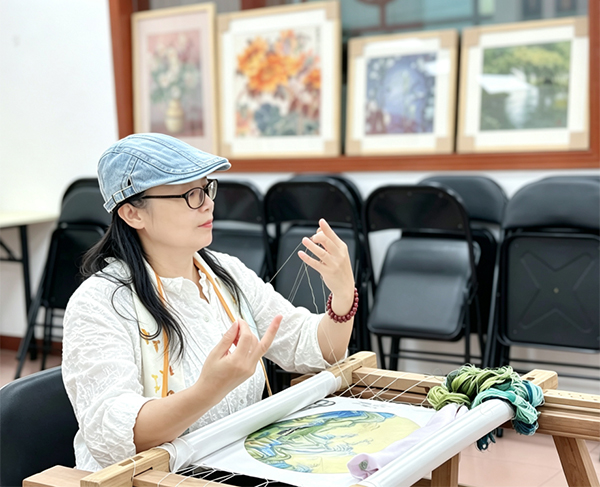
Xiang embroidery Pengmao needlework (Pingshan) 湘绣鬅毛针(坪山)
A signature technique for stitching silk threads in Xiang embroidery, Pengmao needlework creates a fluffy, textured appearance. The craft’s third-generation inheritor has established a studio in Pingshan, blending traditional techniques with modern aesthetics.
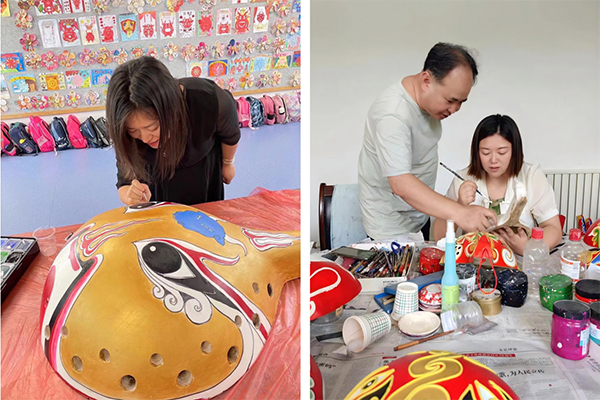
Shehuo mask painting 社火脸谱绘制技艺
Shehuo mask painting is a folk art that uses bold colors and patterns to convey characters’ identities and moral qualities. Introduced to Pingshan from Shaanxi Province, it combines the vigor of northwestern China with Lingnan artistic finesse.
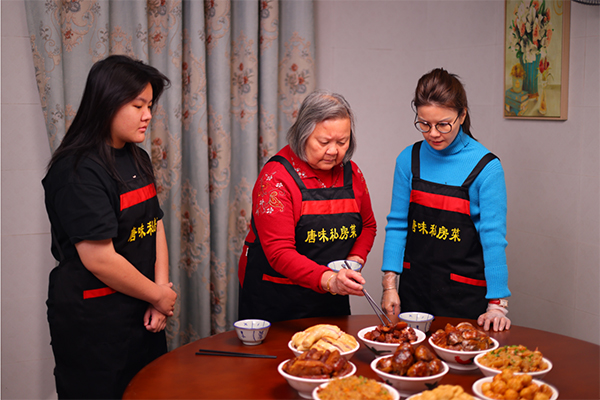
Hakka poon choi making (Fengtian big basin dish) 客家盆菜制作技艺(丰田大盆菜)
Originating in Fengtian Village in the early 20th century, this dish consists of layers of ingredients slow-cooked in a wooden bowl, creating rich and interwoven flavors. Its fourth-generation inheritor has brought the festive dish from home kitchens to the wider market.
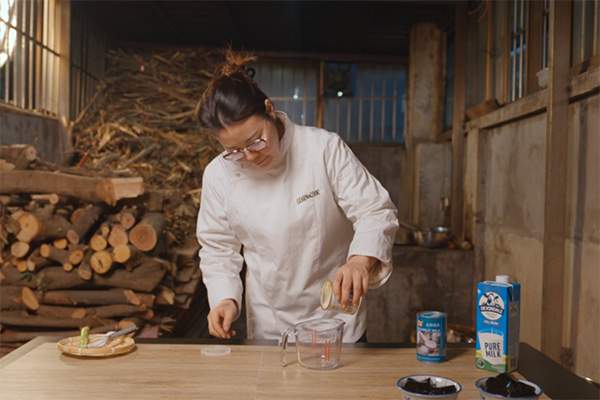
Hakka grass jelly making (Grass jelly rice snacks) 客家茶果制作技艺(仙人粄)
This cool, translucent herbal jelly is made from Mesona chinensis and was traditionally enjoyed during farm work. The inheriting clan has preserved its authentic handmade flavor for generations.
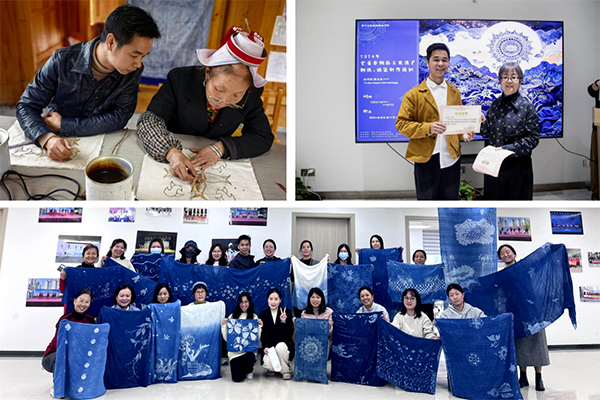
Hakka batik 客家蜡染
Hakka batik combines Miao batik techniques with Pingshan’s Hakka cultural elements. Artisans apply wax to fabric before dyeing it with natural indigo, creating crackled blue-and-white patterns inspired by Hakka architecture, mountain landscapes and village life. Local enterprises now use the traditional technique to produce high-end cashmere products.
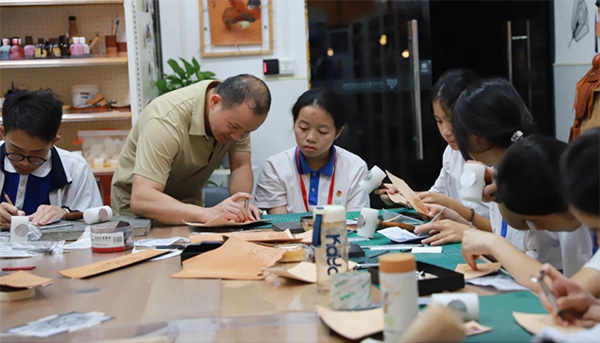
Hakka leather carving 客家皮雕技艺
Using cowhide or goatskin, artisans carve Hakka-themed designs with specialized tools and mineral pigments, creating layered, three-dimensional textures. The craft has expanded from leather goods to screens, paintings and other creative products.
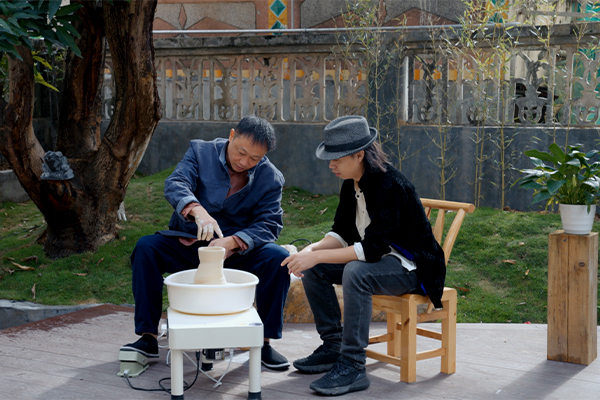
Maluan Kiln ceramics 马峦窑陶瓷烧制技艺
Drawing on Jingdezhen craftsmanship, Maluan Kiln ceramics use locally sourced Pingshan minerals in their clay and glazes. The Maluan Kiln brand creates pieces inspired by Hakka architecture and the surrounding mountain scenery.
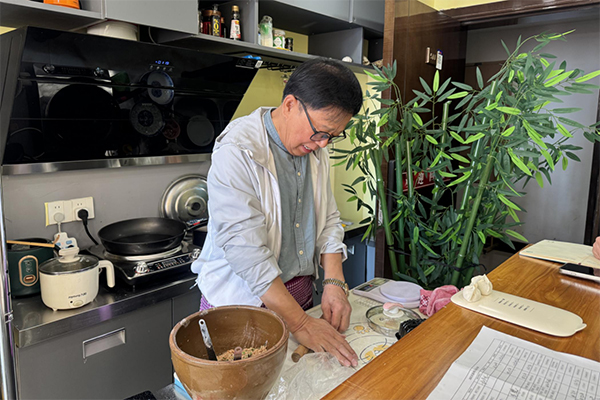
Pingshan Liu’s dumpling making 坪山刘氏饺制作技艺
This tradition traces its roots to a Qing Dynasty imperial-kitchen tradition and requires precise ingredient selection and meticulous preparation. The Liu family has adapted the northern classic to local tastes, creating a distinctive fusion flavor.
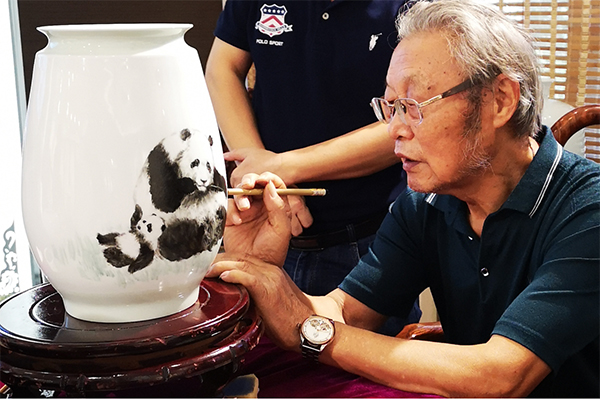
Lingnan literati porcelain 岭南文人瓷
Combining Xin'an literati freehand brushwork with Jingdezhen ceramic techniques, Lingnan literati porcelain features elegant Lingnan motifs, including Hakka walled compounds, lychees and plantains. The result is a refined fusion of calligraphic art and ceramic craftsmanship.
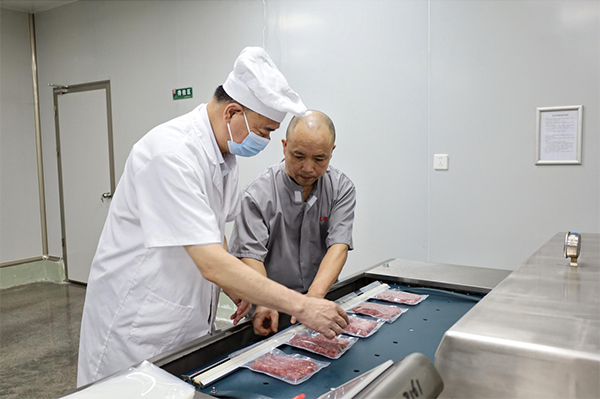
Licheng sausage making 里程腊肠制作技艺
Licheng sausage making is a century-old Hakka tradition featuring a distinctive method of processing fatty pork. The sausages have a sweet, rich flavor. The inheritor has established a Pingshan-based company and earned the Shenzhen Time-Honored Brand designation, among other accolades.
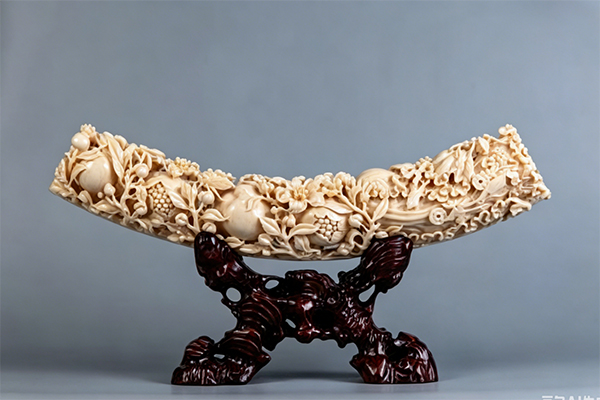
Mammoth ivory carving (Wang’s) 猛犸牙雕(王氏)
Using fossilized mammoth ivory, artisans create intricately carved works featuring subjects such as flower baskets, pagodas and figures. The Wang family combines traditional carving techniques with contemporary artistic sensibilities.
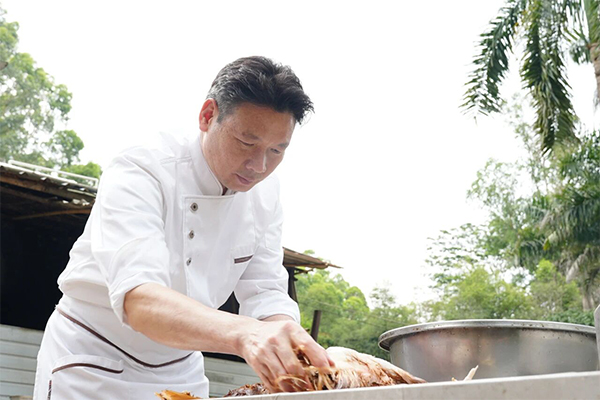
Li’s poached chicken 黎氏白切鸡制作技艺
This century-old technique uses repeated soaking and ice-bath methods to produce tender, flavorful chicken. The Li family has expanded the tradition from a household kitchen into a larger operation that now attracts thousands of visitors each year.
Knot weaving (Han’s) 绳结编织技艺(韩氏)
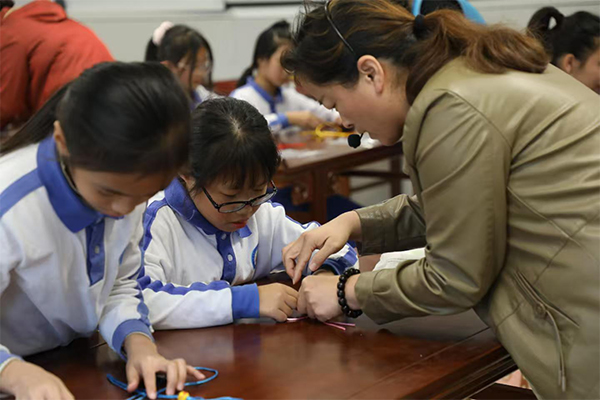
Using colorful silk cords, artisans create more than 30 types of knots, each with its own symbolic meaning. The Han family teaches the craft in Pingshan communities and schools, helping keep the tradition alive in modern life.

ICP Registration Number: 粤ICP备17054870号-1
 Police Registration Number:44031002000124
Website ID: 4403910001
Police Registration Number:44031002000124
Website ID: 4403910001
Government Service Hotline: 0755-12345
Website Technical Support:zwxx@szpsq.gov.cn
Sponsored by: General Office of CPC Pingshan District Committee (General Office of Pingshan District People's Government, Foreign Affairs Office of Pingshan District, and Archives Administration of Pingshan District)


 HOME
HOME PINGSHAN GOVERNMENT
 NEWS
NEWS ABOUT PINGSHAN
 INVEST IN PINGSHAN
 LIFE
LIFE SERVICES
 FAQ
FAQ CHINESE
 FRANÇAIS
 日本語
日本語 한국어
한국어